Heartbeat Heart: Bold, Modern & Market-Ready
As an embroidery designer who’s packed booths at 47 craft fairs and shipped thousands of handmade products to Etsy sellers and boutique makers, I opened the Heartbeat Heart embroidery file with one question in mind: Will this stop someone mid-aisle? The answer? Yes — especially when stitched cleanly on the right fabric, in the right scale, and placed where buyers linger.
A First Impression That Sells Itself
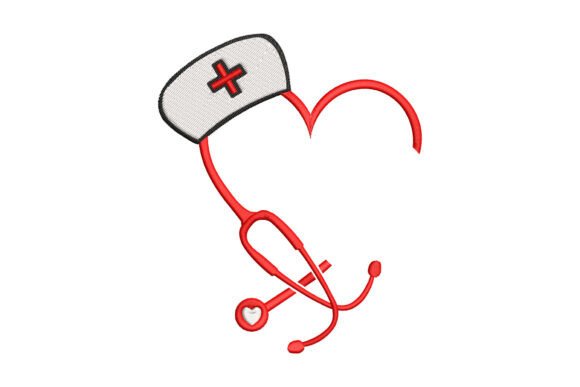
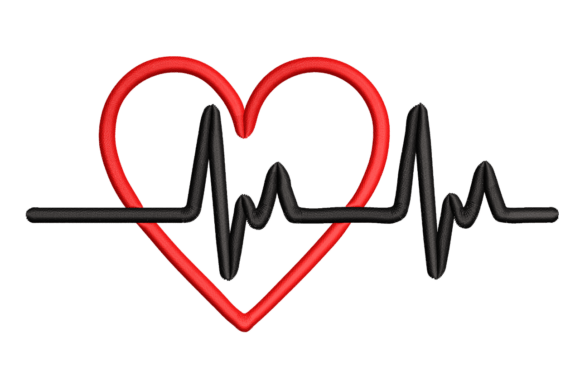
Heartbeat Heart lands as bold, modern, and emotionally resonant — not cute, not rustic, not minimalist. It’s a confident fusion of medical precision (that sharp black EKG line) and human warmth (the strong red heart outline). That contrast is its superpower: it feels both scientific and soulful. At a craft fair, where shoppers scroll past dozens of floral motifs and scripted quotes, Heartbeat Heart reads instantly as distinctive, intentional, and deeply wearable. It doesn’t whisper — it pulses.
Where It Shines on Real Craft Fair Products
This design thrives where clarity, contrast, and emotional resonance intersect:
- Tote bag design: Centered on a natural canvas or charcoal linen tote, Heartbeat Heart becomes a quiet statement — professional yet personal. It reads well from 6 feet away and invites closer inspection.
- Apron embroidery: Positioned just above the pocket on a dark denim or heavyweight cotton apron, the red heart pops against rich fabric while the black EKG line grounds it visually. Perfect for nurse gift bundles, wellness studios, or kitchen shops.
- Tea towel embroidery: Works best on smooth, tightly woven cotton towels — not textured waffle weaves. Stitched in the upper third, it balances utility and artistry without compromising absorbency.
- Embroidered patch: Highly effective as a sew-on or iron-on patch. Its clean outline and high-contrast thread colors (red + black) hold up beautifully after washing and wear — ideal for jackets, backpacks, or market bags.
- Fabric pouch & pillow cover: Scales beautifully down to 3–4 inches wide. On a cream linen pouch or oatmeal linen pillow cover, it adds refined energy — not clutter.
It’s less effective on curved cap surfaces (the EKG line can distort), overly dense fabrics like thick twill, or dark, napped textiles where stitch definition blurs. Save it for flat, stable, medium-weight substrates.
What Makes It a Smart Craft Fair & Etsy Seller Choice
Heartbeat Heart is unusually versatile for a single machine embroidery design. It reads clearly at 2.5 inches (ideal for patches or small pouches) and holds impact at 6+ inches (totes, aprons, pillow fronts). That scalability means you can batch-produce across product lines without redesigning layouts.
Photography is effortless: the high-contrast thread colors pop on neutral backgrounds, and the clean lines translate crisply in printable mockups and Etsy listings. No need for heavy filters or shadow play — the design carries its own visual weight.
For booth display, stitch one real sample on each top-selling item (tote, apron, tea towel, patch) and group them on a clean wood shelf. Customers immediately grasp its range — and its emotional hook. “Life, health, and passion” isn’t marketing fluff here; it’s embedded in the shape.
Careful-Use Notes Every Embroidery Designer Should Know
Don’t skip testing — even with a clean-looking design like Heartbeat Heart. Here’s what to watch:
- Stitch density: The intersection point of heart and EKG line may carry higher density. Test on scrap fabric first — especially if using lightweight cotton or knits. Excessive stitching can cause puckering or stiffness.
- Fabric texture: Avoid highly textured tea towels or bouclé fabrics. The EKG line needs smoothness to stay crisp and legible.
- Dark fabric: Red thread on black or navy fabric will read as deep maroon unless you use a bright, true-red rayon or polyester thread. Always test thread contrast before full production.
- Small sizes: Below 2 inches wide, the EKG waveform risks becoming a blurry stripe. Stick to ≥2.25" for patches and small pouches.
- Hoop size & stabilizer: Confirm the file’s recommended hoop size — many versions fit comfortably in a 4×4 hoop, but some extended layouts require 5×7. Use medium-weight cutaway stabilizer for structured items (totes, aprons) and tear-away for tea towels and pillow covers.
Design Integrity Meets Commercial Practicality
As a Work category embroidery file, Heartbeat Heart delivers more than aesthetic appeal — it supports brand consistency. Whether you’re an Etsy seller building a wellness-themed shop, a boutique maker curating heartfelt gifts, or a Cricut + embroidery hybrid crafter, this design reinforces authenticity. It doesn’t shout trend — it anchors meaning.
That emotional resonance lifts perceived value. A $28 embroidered tote with Heartbeat Heart feels more intentional — and more giftable — than one with generic script. Buyers connect it to self-care, medical pride, love, or resilience. That story sells itself at craft fairs and online.
Final Designer Checklist Before You Stitch
- Test the embroidery file on scrap fabric matching your final product’s weight and weave.
- Verify thread colors — especially red brightness and black richness — against your fabric swatches.
- Review spacing and stitch density in your embroidery software; zoom in on the heart/EKG intersection.
- Confirm hoop size compatibility and adjust placement guides if scaling up/down.
- Choose stabilizer based on fabric type — never skip this step for commercial embroidery.
- Create at least one real-world mockup (not just digital) — photograph it in natural light.
- Compare how Heartbeat Heart looks on light vs. dark fabric — adjust thread or layout if needed.
- Double-check licensing terms: ensure the digital embroidery file permits finished product sales — essential for Etsy sellers and small shop products.
When executed well, Heartbeat Heart isn’t just another embroidery file. It’s a conversation starter, a quiet affirmation, and a consistently strong craft fair product — grounded in craftsmanship, charged with meaning, and built to sell.